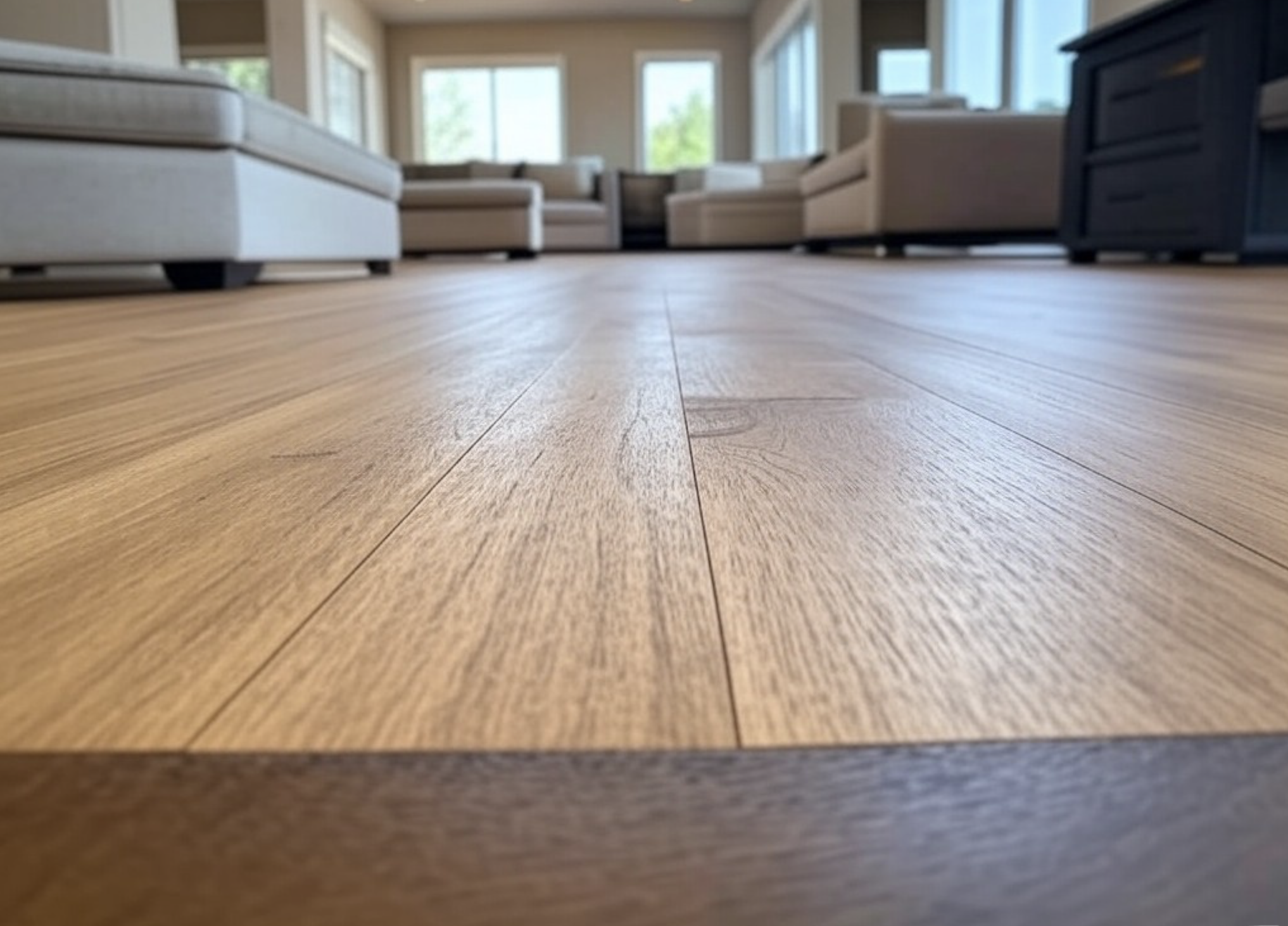
Creating Seamless Transitions: How to Blend Different Flooring Styles in Your Home May 19, 2026
When considering transitioning between flooring types, the first step is understanding the unique characteristics of each material. Hardwood, tile, and carpet each offer different visuals and textures that can complement or contrast one another beautifully. It is important to choose flooring styles that are complementary not only in color but also in material and texture. This approach ensures that your home’s interior design remains unified.
One effective method to create seamless transitions is using transition strips or thresholds. These strips come in various materials such as wood, metal, or vinyl and provide a clean boundary between differing floor types. Transition strips are especially useful in areas like doorways where they can offer a visual and tactile divide without causing a jarring interruption. At Distinctive Flooring LLC, we provide a wide range of transition options that can be tailored to your unique design preferences.
Another technique is through the use of color coordination. Selecting flooring styles within the same color palette ensures that even distinctly different materials will flow naturally from one room to the next. For example, pairing a light oak hardwood with a soft beige carpet can offer subtle transitions while maintaining a light and airy feel throughout your homes.
Additionally, consider incorporating area rugs to bridge the gap between different flooring styles. Rugs are not only practical for sound absorption and comfort but also serve as visual anchors when transitioning from a harder surface to a softer one. They can add an element of cohesion between design elements and materials, effectively tying them together.
Open concepts are increasingly popular in modern homes, which may involve fewer physical barriers between spaces. In this design environment, using a consistent flooring type or closely matching tones and shades across an expanse can ground the different areas into a single unit. However, when open floor plans incorporate different activities or functions, subtle changes in flooring, like shifting from tile in the kitchen to hardwood in the living area, can signal a shift in use without disrupting visual harmony.
When planning your transitions, also consider practical aspects such as the durability of materials and ease of maintenance. High-traffic areas may benefit from more resilient flooring, like tiles or certain hard woods, whereas rooms dedicated to relaxation might feature plush carpets for added coziness.
Finally, always prioritize the overall aesthetic vision for your home. Creating a balance between style and function will not only enhance the visual appeal but will also increase the livability of your space. Our team at Distinctive Flooring LLC is always available for consultations to help you select the perfect materials and transition techniques according to your unique home environment.
In conclusion, while blending different flooring styles may seem daunting, employing thoughtful strategies can result in a beautifully coherent home. By strategically using transition tools, coordinating colors, and choosing appropriate materials, you can easily achieve a seamless look that reflects both personal style and practical functionality. Let Distinctive Flooring LLC be your partner in crafting a home of harmonious transitions, where each room flows naturally into the next.
/filters:no_upscale()/filters:format(webp)/media/b3218a41-49c1-49d8-a41e-470f08ba4360.png)